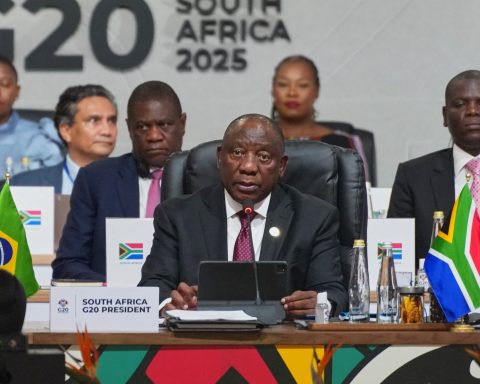
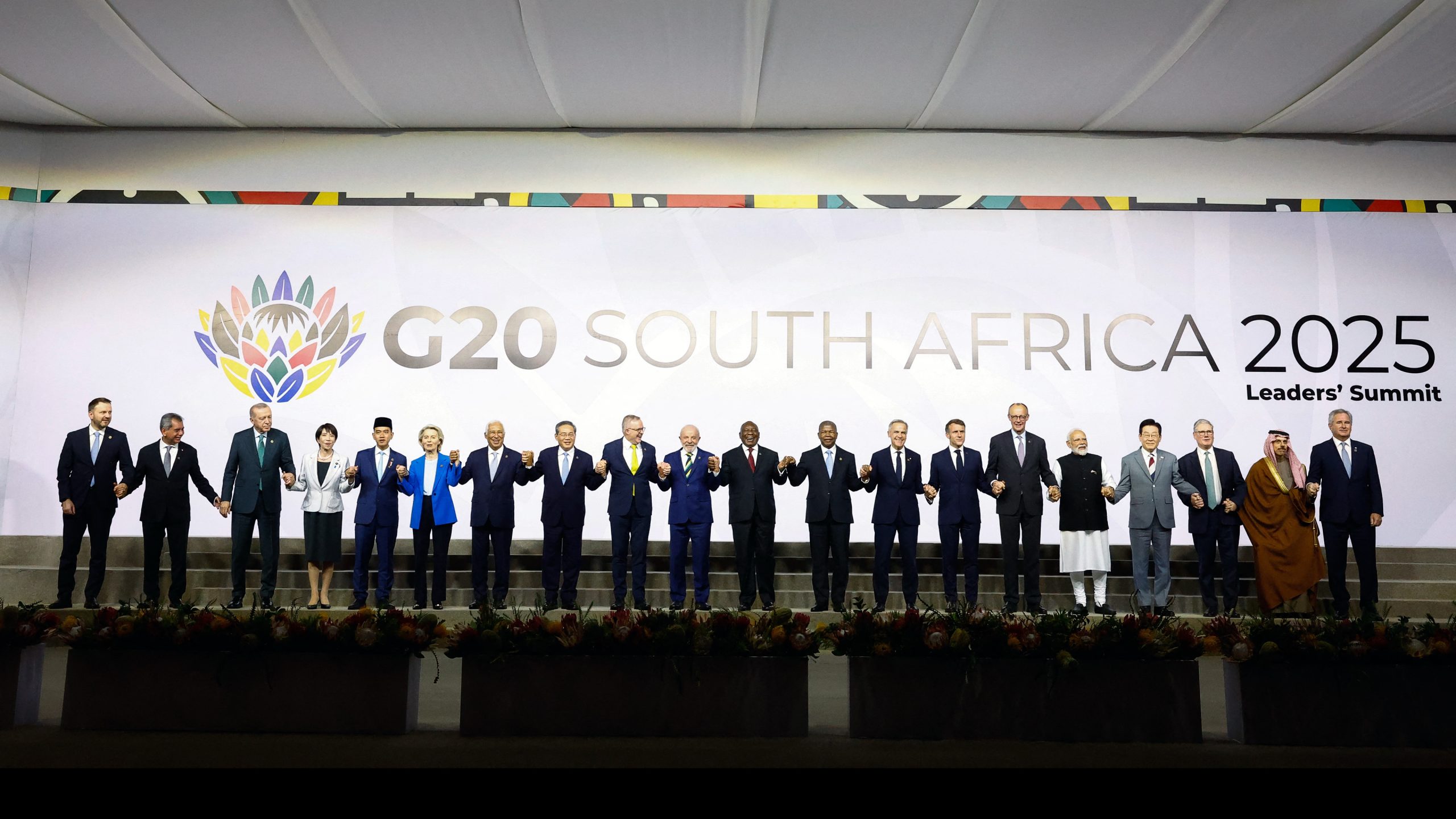
World leaders have adopted the G20 South Africa Summit: Leaders’ Declaration in Johannesburg, putting inequality and the Global South at the heart of the agenda. The G20 inequality declaration rolls out commitments on disaster resilience, debt, energy access and critical minerals.
As the first G20 summit on African soil, it highlights how repeated shocks and rising inequality push poorer countries further behind. Leaders call for more coordinated and fair responses.
Debt, disasters and climate climb the agenda
The declaration warns that repeated floods, storms and other shocks undermine development and stretch response systems past breaking point. It calls for integrated, people-centred disaster planning with a focus on small island states and least developed countries that cannot carry rebuilding costs alone.
The G20 inequality declaration also links disaster risk to unsustainable debt. High repayments in many developing economies limit investment in infrastructure, health care and climate adaptation. Leaders urge global lenders to ease these pressures to unlock inclusive growth.
On climate, the text backs a faster shift to renewable energy and stronger resilience. It calls for climate finance to scale from billions to trillions for countries facing the harshest impacts of global warming.
Energy access, minerals and summit tensions
Energy access remains one of the deepest inequality gaps. The declaration notes that hundreds of millions of people, especially in Africa, still live without electricity. Leaders support efforts to triple renewable capacity and double energy efficiency by 2030, backed by cheaper finance and voluntary technology transfer so poorer countries can build clean-energy systems.
On critical minerals, the G20 inequality declaration backs a framework for sustainable and stable value chains. It says mineral wealth should support value-addition and broad-based development instead of just raw exports.
The declaration landed despite tensions, with the United States skipping the meeting and Argentina declining to endorse the final text. Even so, most G20 members backed language on multilateral cooperation and a just, lasting peace. For many in the Global South, the G20 inequality declaration signals that debt, climate and fairer development can no longer sit on the margins of global economic talks.